Mobile
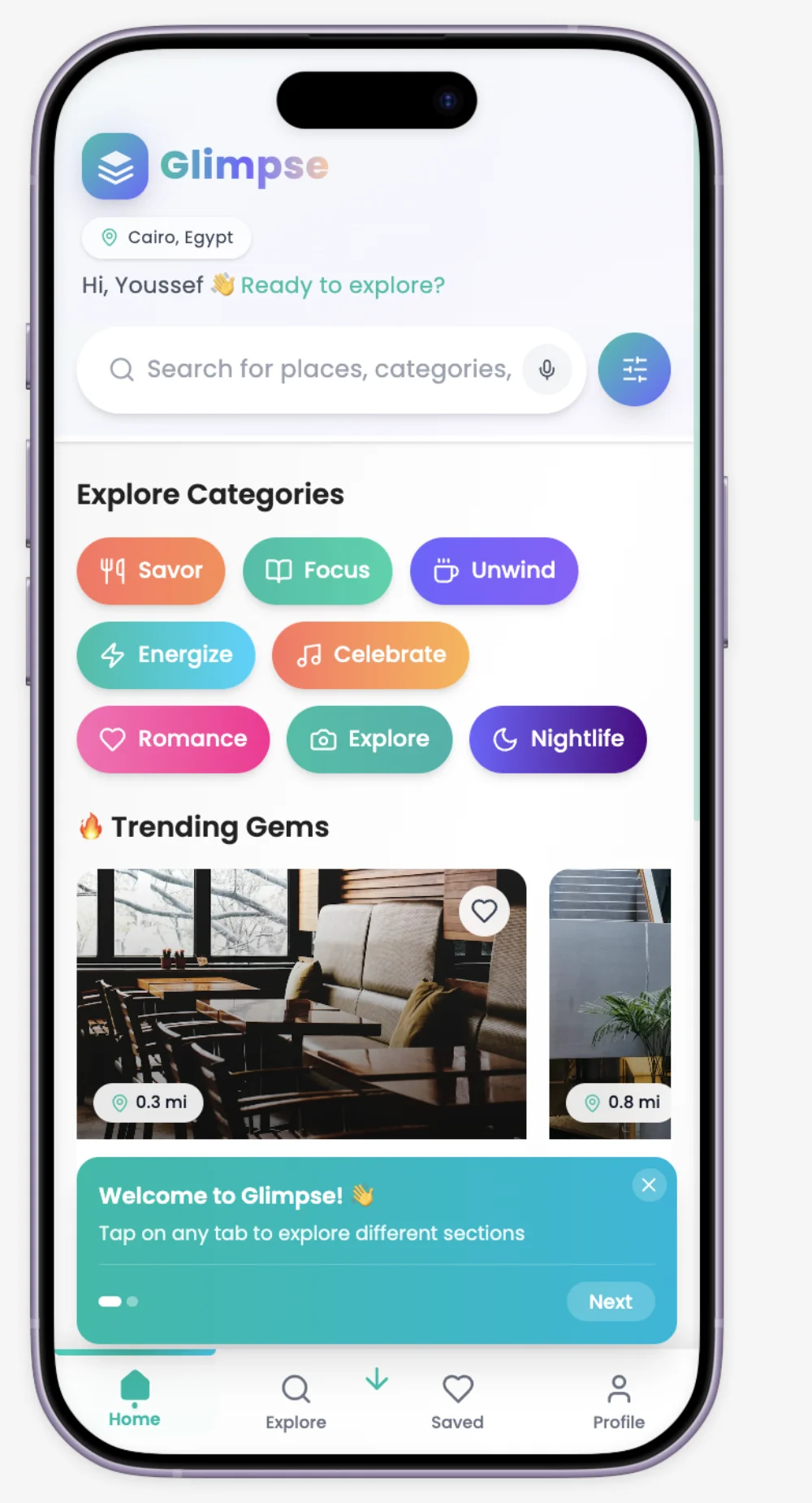
GlimpseGems
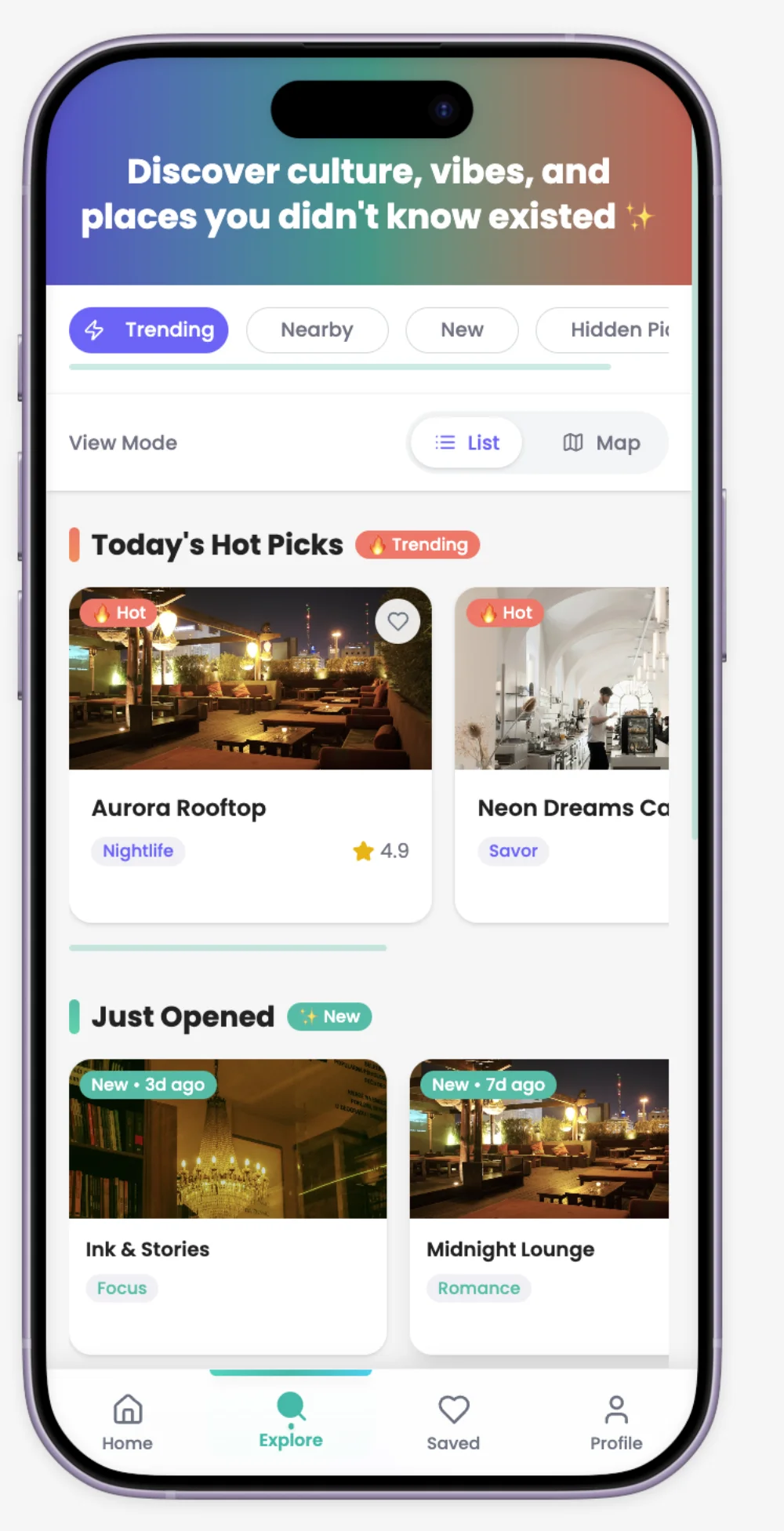
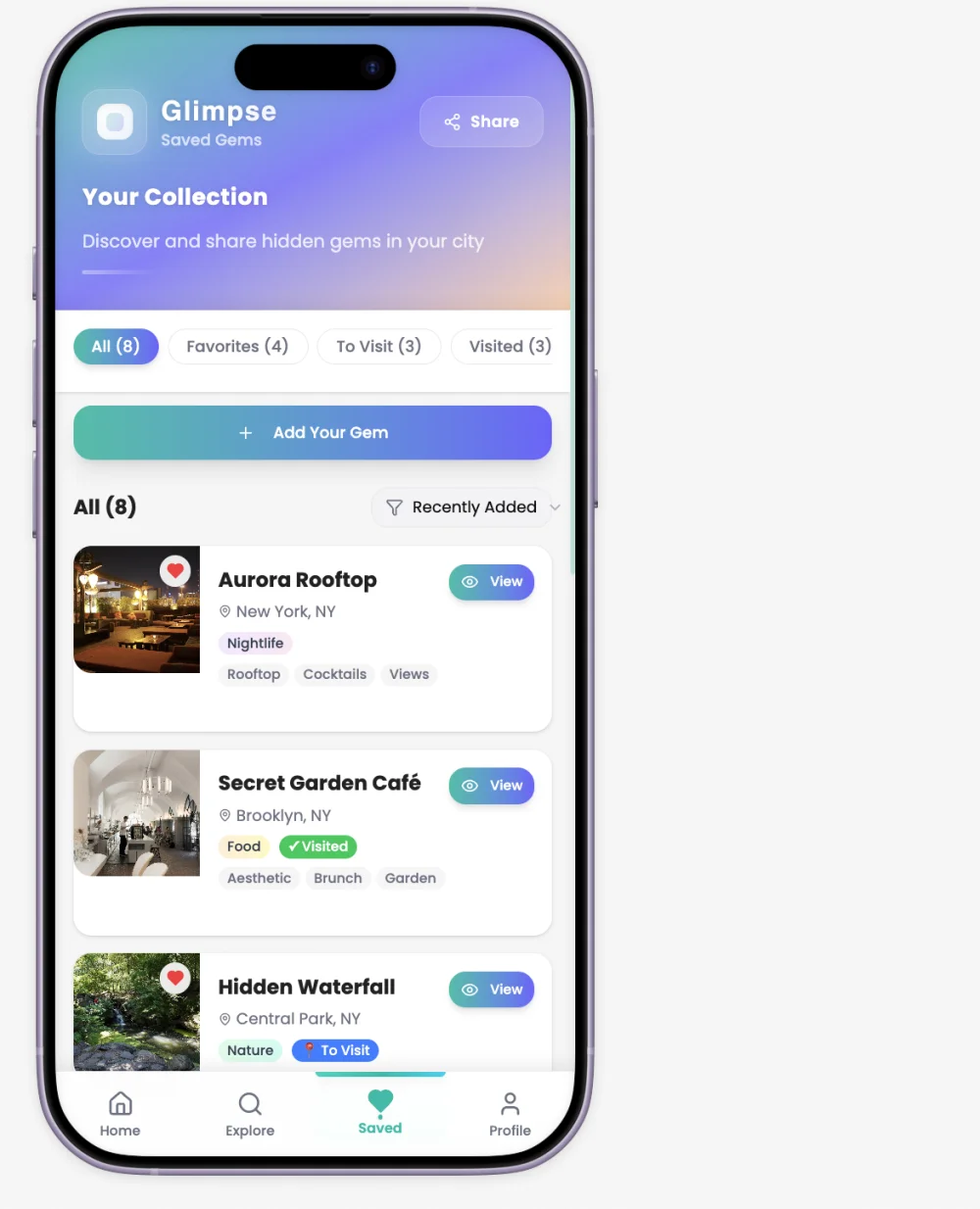
A mood-based city discovery app, designed end to end — from first sign-in to a saved, shareable list.
Product design
- Onboarding
- Search & discovery
- Map / list
- Filtering
- Saved states
- Gamification
Read case study
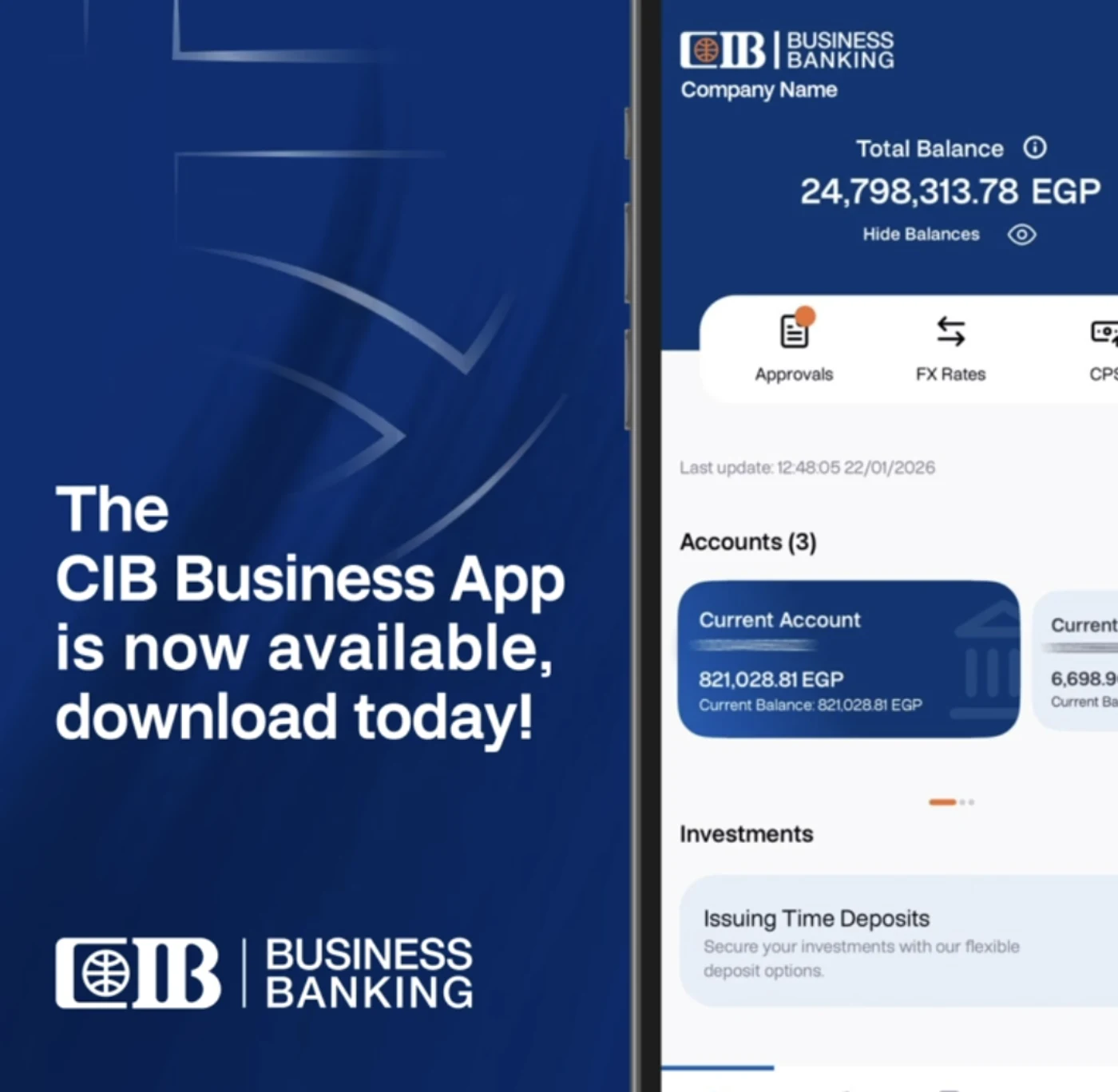
Payment features that clear compliance and ship to a national bank's customers.
The problem
CIB's business customers needed a dependable mobile banking app, its call-center agents needed one unified channel to serve customers across digital touchpoints, and partner customers needed real-time visibility into payments — without any of it compromising the controls a bank is required to have.
Context & constraints
Banking software has a different failure mode than most software: a bug is not an inconvenience, it is somebody's money. Every feature here went through a heavier requirements and testing process than the equivalent would in a startup, for good reason. Specific internal architecture, data and metrics are not shown here — this is a description of the process and my role in it, not the system.
My role
I work across the stack on the features listed below: gathering requirements alongside product owners and business stakeholders, writing the backend services and REST APIs, documenting the API contract for other teams, and supporting UAT through to release.
Requirements
Process
01
Requirements
Functional and technical requirements
With: Product owners, business stakeholders
02
API contract
API documentation and technical specification
With: Frontend engineers, QA
03
Build
Node.js / NestJS services, React and React Native
With: Backend and frontend engineers
04
System testing
Defects found and resolved
With: QA
05
UAT & release
Sign-off, then release
With: Business users
Key decisions
Decision 01
Treated API documentation as a deliverable, not an afterthought
Why: It let frontend engineers, QA and business stakeholders work from the same source of truth instead of reverse-engineering behaviour from a running service.
Decision 02
Built UAT into the delivery process rather than bolting it on at the end
Why: Defects surfaced against real business scenarios before release, not after.
Results
For the technical reader
The solution
Backend services built with Node.js and NestJS, exposed as documented REST APIs, feeding a React and React Native frontend. The WE Bank portal is the clearest example: it integrates backend APIs to surface real-time payment information and transaction updates for customers, replacing what used to require a manual check.
Challenges
What I learned
The best banking engineers are not the ones who write the cleverest code — they are the ones whose spec a QA engineer, a product owner and a backend developer can all read the same way. That skill transfers to every team I've worked with since.
A mood-based city discovery app, designed end to end — from first sign-in to a saved, shareable list.
Product design
Read case study
Help may be needed
One tap — or a detected fall — sends a caregiver your exact location.
Read case study
Contact
I'm open to Software Engineer and Product Engineer roles — remote, or relocating. Based in Cairo, EET (UTC+2).